
Cabinet Buying Plan in Hagerstown
Connect your room needs to the cabinet decision you are ready to explore.
Send my cabinet inquiry
Or call (562) 203-3232. Calls only, we do not receive text messages.
Shopping for cabinets in Hagerstown, MD starts with a more useful question than which door looks best: what must the order accomplish? Hagerstown Cabinet Exchange is an independent buying guide and project inquiry site. Use this starting guide to describe the room, separate essential choices from preferences, and prepare information that can support a meaningful product comparison.
- Independent buying guidance
- Product inquiries
- Seller availability confirmed separately
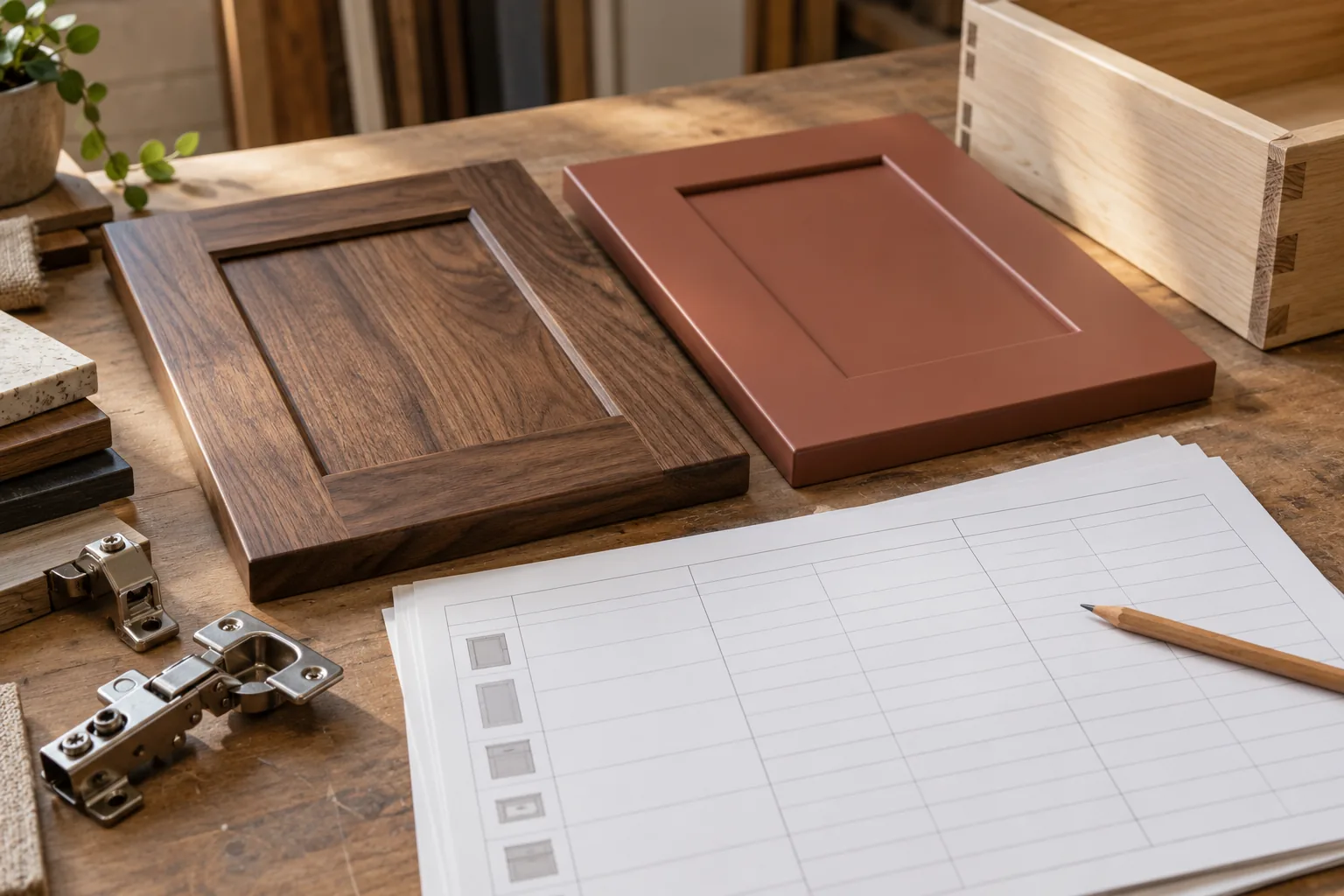
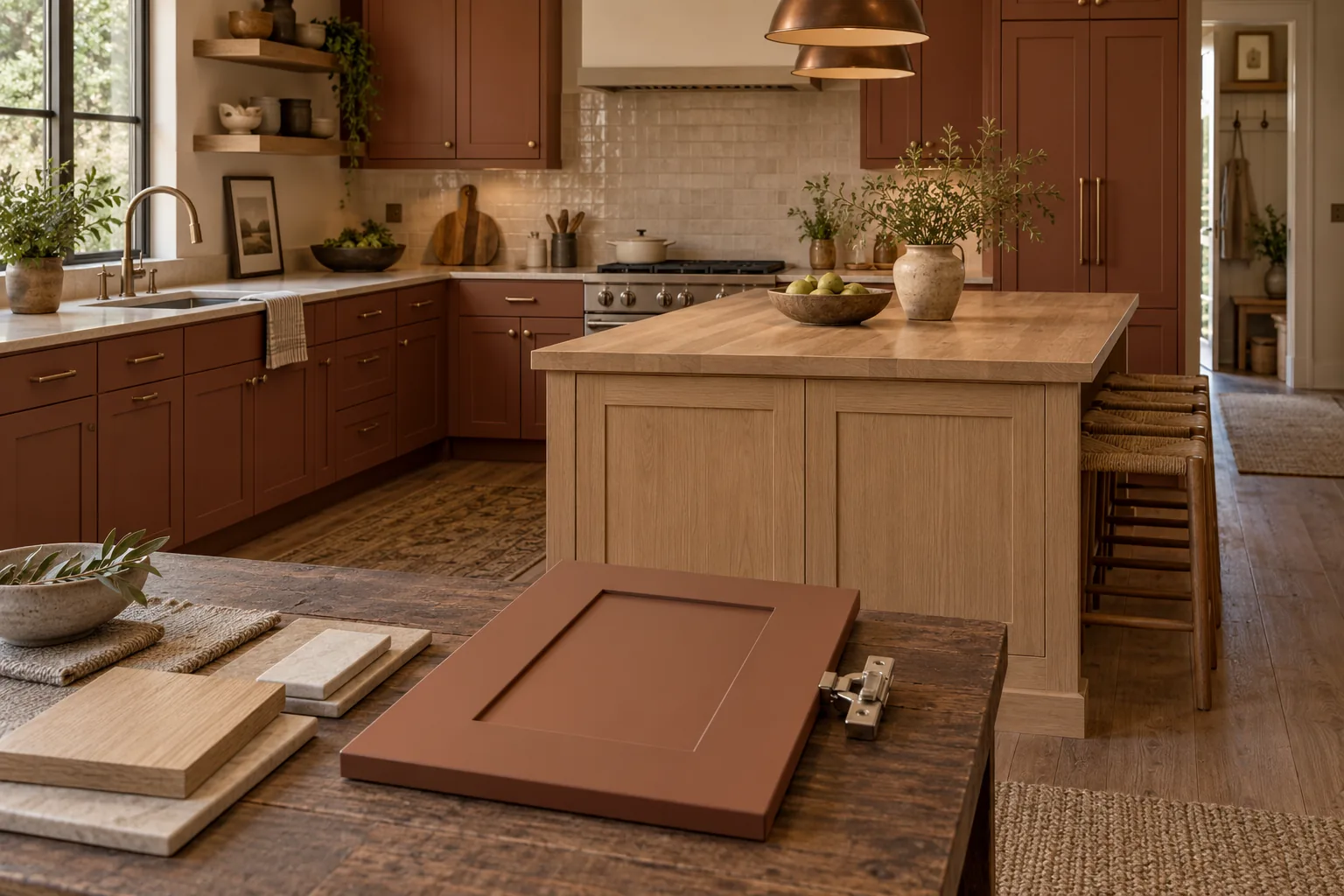
Cabinet product illustrations
Illustrative product visualizations, not completed work, local properties or supplier facilities.
Prepare the purchase before choosing a supplier
You can begin before every dimension is settled. A first request should show what you know, what you are considering, and what still needs verification. The form records your submitted details for the site owner to review; it does not automatically send them to sellers or guarantee a referral or response. The next purchasing decision remains yours.
About Hagerstown Cabinet Exchange
Know who handles each part
Independent cabinet buying information and quote-request service. We do not manufacture, stock or install cabinets. A referral, supplier response, appointment or purchase is not guaranteed. Product availability, delivery and installation must be confirmed directly with the seller or separately engaged contractor.
Start with the room and the decision you need to make
Describe the change in ordinary terms before choosing a product line. Are you replacing the existing arrangement, changing the layout, or adding storage in a room that currently lacks it? A replacement request may begin with an inventory of existing units. A different layout requires more information about walls, openings and appliances because the current arrangement cannot stand in for the intended one.
Write a short priority list. Better access to cookware, a usable trash pullout, matching a retained cabinet, and adding pantry storage are different goals. Put the most important requirement first and identify any choice you could change. This gives a later comparison a purpose beyond the lowest subtotal.
For example, a hypothetical buyer might want drawers beside the cooking area while keeping the refrigerator and sink in their current positions. That is a useful starting description. It is not yet an order: the available space, drawer opening, appliance specifications and proposed unit sizes still need review. Save inspiration photographs as preference references and label them accordingly; an attractive photograph does not establish what fits your room.
Make a cabinet list that another person can follow
Give each intended unit a location label such as sink wall, cooking wall or pantry corner. Under that label, record the cabinet type, approximate size if known, quantity and intended storage use. Keep uncertain sizes visibly provisional. A seller should be able to tell the difference between a measured wall length and your preferred width for a drawer unit.
Include the pieces that are easy to overlook: exposed ends, fillers, finished panels, toe kicks and trim. Record whether the island needs a finished back and whether a tall unit has a visible side. You do not need to guess a vendor's part number before selecting a line, but the purpose of each piece should be clear.
A list also reveals competing assumptions. If one proposal replaces every wall unit while another retains two existing units, they describe different purchases. Mark retained pieces separately and say whether matching their finish is essential or simply desirable. Name the finish direction and door preference without treating a screen image as final approval. A physical sample or seller confirmation may be needed before an actual purchase decision.
Keep room information separate from final order dimensions
Gather room measurements, appliance model information and photographs that show the relevant walls. The supplied IKEA US planning guide asks buyers to bring room measurements and dimensions of retained appliances. That supports preparation; it does not mean this website provides a field measuring visit or that a preliminary sketch is ready to order from.
Show doors, windows, utilities and any obstruction you have observed. Note which measurements you took yourself and which came from an older drawing. If a wall has not been checked, say so. A precise looking number can still be unreliable when its source is unclear or when the room has changed.
Decide who will approve the final measurements and layout before purchase. That may involve the buyer, a separately engaged professional and the seller according to their actual agreement. Ask what each party checks and what remains your responsibility. In the hypothetical drawer example, confirming the overall wall length is only part of the task: the planned drawers also need to work with neighboring doors, handles and appliances. Raise that fit question before accepting the unit schedule.
Use local context without guessing at the property
A Hagerstown mailing address is useful contact information, but it should not be the only location detail in a project record. Identify the actual project address and distinguish it from a separate receiving address. If property jurisdiction matters to a later decision, confirm it from the appropriate property or municipal source rather than inferring it from the mailing label.
One narrow Washington County observation helps explain the limit of broad location information. The county's adopted 2040 plan maps label Maugansville and warn that they illustrate the plan, are subject to source changes and should not be used for other purposes. These maps provide planning context, not verification of a particular property's access or a seller's delivery territory.
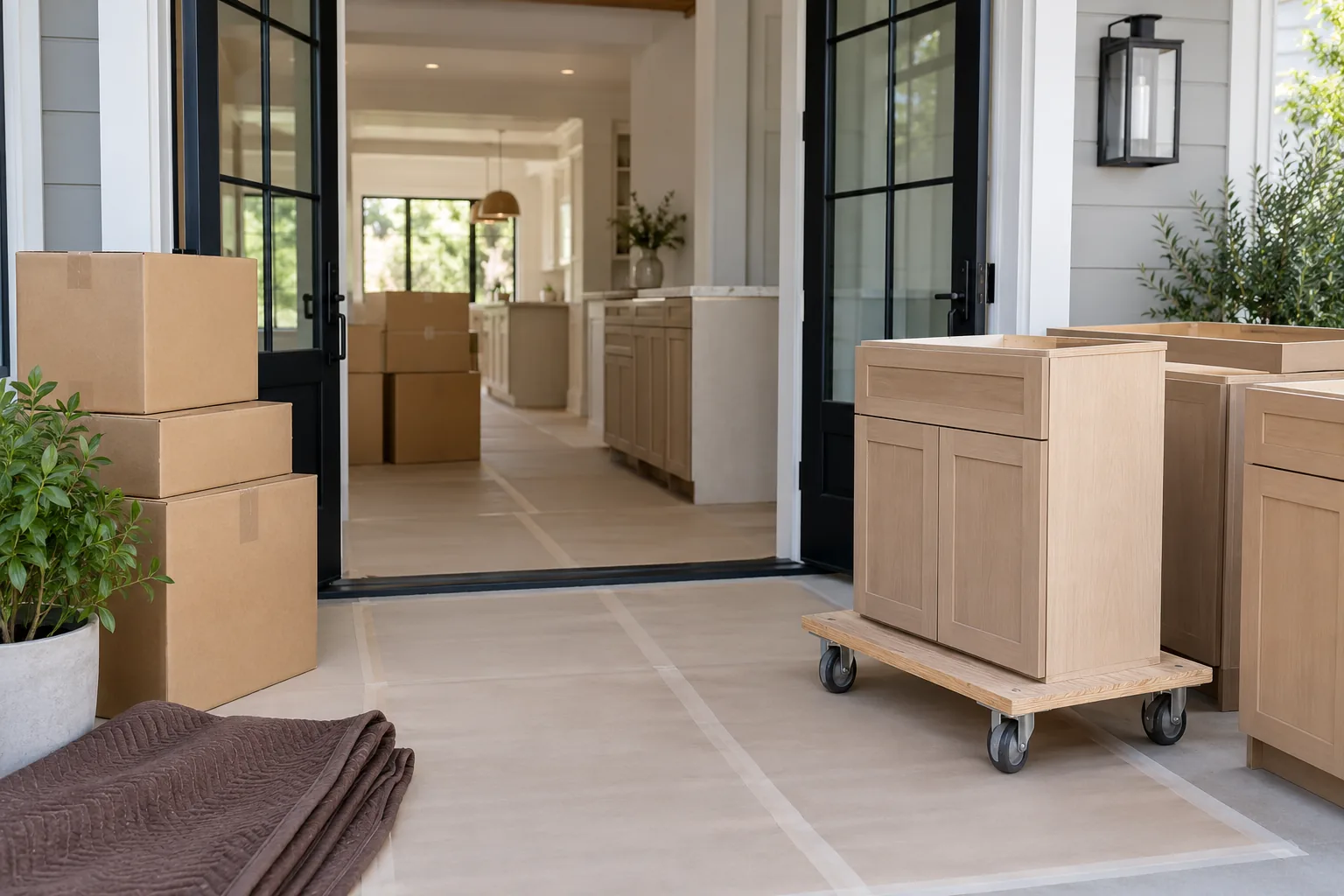
The practical buying inference is to treat the locality name as a starting reference and collect the property details independently. Ask the owner or responsible building contact about any applicable access, storage or approval conditions. Nothing about a county map tells you whether cartons will fit through your door or whether a proposed seller will accept the order. Those are specific questions for the property and the seller.
Compare the cost of the complete proposed purchase
Cabinet quantities and box configurations establish the basic product scope. Door style, finish, construction options, interior accessories and decorative pieces can change that scope. Ask for enough detail to see what each proposal includes rather than comparing two totals that conceal different units or missing parts.
Separate the cabinet product subtotal from freight, pickup, carrying, assembly and storage charges where applicable. External labor for removal, installation or related work needs its own agreement with the party performing it. Countertops, plumbing and electrical work should appear as included items only when a specific proposal actually includes them; otherwise identify them as exclusions.
Use a comparison sheet with a column for each proposal and a row for each category. When a charge is missing, write unknown rather than zero. The FTC's home improvement guidance recommends comparing written estimates with scope, materials and price. Apply that habit when reviewing separately engaged contractor proposals as well as the product details you request from sellers. Preliminary estimates are subject to change; obtain the final price and included scope in a written quote before agreeing to purchase.
Choose one next step and keep a record of it
An early stage buyer may need to decide whether the existing layout will stay. A buyer with a checked drawing may be ready to compare product proposals. A buyer who has selected products may instead need receiving terms. Choose the question that is preventing progress and gather the information that would answer it. More detail is helpful when it resolves that question, not merely when it makes the message longer.
For your inquiry, state the room, project address, intended change and current decision stage. Add a brief product outline and the major unknowns. Explain whether any appliances or existing units will remain. If you have documents, name their dates or revision identifiers in your notes so later discussions can refer to the same version.
Keep a personal copy of what you submitted and record any subsequent change. If the sink position moves, the old schedule may no longer be a fair comparison basis. When a seller eventually provides terms, review the exact line items, exclusions and approval requirements rather than assuming they match the initial description. A clear record lets you identify the next unresolved decision without restarting the entire purchase discussion.
Inquiry process
From buying questions to a possible supplier quote
Sending an inquiry does not reserve products or book work.
Describe the purchase
Include project ZIP, room, approximate cabinet list and preferred timing.
Clarify requirements
Identify assembly, access, measurements and any separately arranged labor.
Confirm referral availability
An inquiry can be referred only if a suitable seller accepts the location and product request.
Review seller terms
Confirm the final drawing, itemized price, payment, delivery and return terms directly before ordering.
Local buying information
Local inquiry guides
Questions
Questions Hagerstown homeowners ask
What should I include when I am still exploring options?
State the room, project location, intended change and your main storage priorities. Include known dimensions and retained appliances, but label tentative sizes and preferences. You can ask an early question without presenting an unfinished idea as an approved order.
Does submitting a request arrange a measuring visit?
No. This inquiry does not arrange or perform field measurements. Before buying, establish who will verify the room and approve the final order dimensions, and confirm that responsibility in the actual seller or professional agreement.
Can I compare proposals with different cabinet quantities?
You can compare their design choices, but their totals do not price identical scope. Reconcile the unit list first or ask for a clearly identified alternate. Missing fillers, panels or accessories should remain visible rather than being assumed included.
Should I choose the finish before deciding the layout?
Record a preferred finish early, then keep it provisional while checking the layout and available product options. A selected color does not resolve unit fit. Confirm the actual proposed finish, any sample approval and the final product schedule before ordering.
Send my cabinet inquiry
Or call (562) 203-3232. Calls only, we do not receive text messages.
Talk to us about your project
Describe the purchase and project ZIP in Hagerstown. Supplier acceptance and any referral are confirmed separately; no visit or quote is booked by this form.
Calls only, we do not receive text messages.