
Funkstown · Williamsport
Maugansville Cabinet Quote Preparation in Maugansville
Bring your project details together before considering a cabinet purchase.
Send my cabinet inquiry
Or call (562) 203-3232. Calls only, we do not receive text messages.
For a cabinet purchase in Maugansville, the community name helps orient the conversation while the actual project information makes it actionable. Hagerstown Cabinet Exchange provides an independent guide to organizing the property address, room needs and proposed receiving location. Keep these details distinct so a contact label does not become an assumption about where the products will be used or received.
- Independent buying guidance
- Product inquiries
- Seller availability confirmed separately
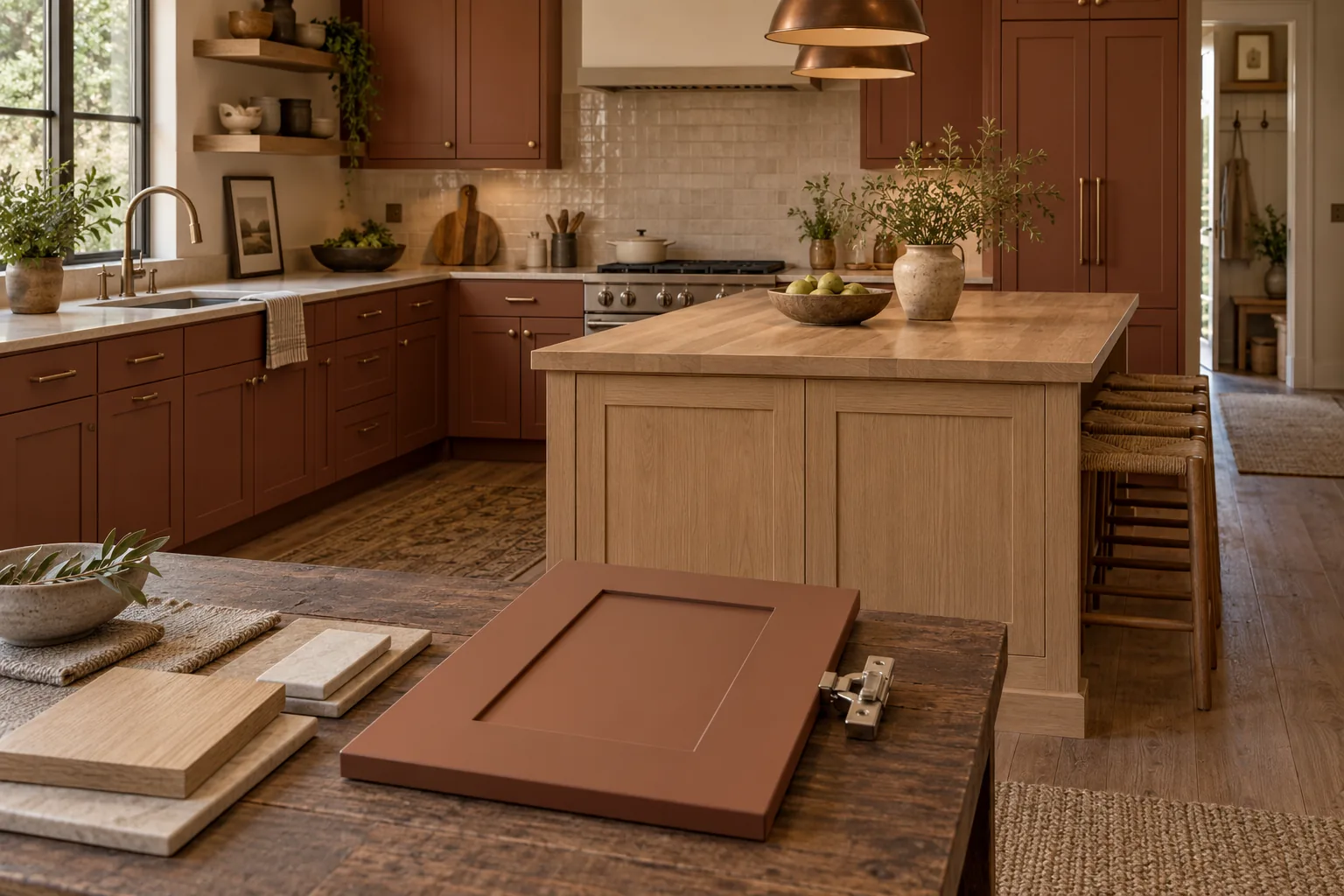
Cabinet purchase preparation in Maugansville
The county map source provides a narrow observation about Maugansville, and the practical questions below turn that context into a clearer buyer record. The form keeps your submitted details for the site owner to review; it does not automatically transmit them to sellers or guarantee a response. Actual product acceptance, property information and purchasing terms still require their responsible parties.
About Hagerstown Cabinet Exchange
Know who handles each part
Independent cabinet buying information and quote-request service. We do not manufacture, stock or install cabinets. A referral, supplier response, appointment or purchase is not guaranteed. Product availability, delivery and installation must be confirmed directly with the seller or separately engaged contractor.
Use the mapped community name as an organizing reference
Washington County's adopted 2040 plan maps label Maugansville. The maps also warn that they illustrate the plan, are subject to source changes and should not be used for other purposes. This is the narrow local observation verified in the supplied research, useful for identifying the community context of this guide.
The practical buying inference is to begin with that place name and then collect the project facts independently. A community label helps a reader understand your description, while a property address identifies the actual project. If jurisdiction or a boundary question matters, confirm it using the appropriate official or property record rather than treating a planning illustration as the answer.
Use a separate field for locality in your own notes instead of blending it with room or receiving information. That small distinction helps when another person needs to look at a different kind of record. The map does not need to carry information it was not created to provide. You can use its verified community context positively while keeping the purchasing decision grounded in the actual address, room and proposed goods.
Separate mailing information from the property being improved
Identify the buyer's contact address and the cabinet project's address as distinct entries. A mailing label may be useful for correspondence without answering which property jurisdiction applies. Do not infer the county or municipal boundary for an individual property merely from the way its address is written.
Include the room or unit identifier where needed. If a buyer manages more than one property, give this purchase a clear project reference so documents do not get mixed. Name the person who can answer questions about the room, and identify whether that person is also the purchaser or final schedule approver.
In a hypothetical situation, a buyer receives correspondence at one address while arranging a kitchen purchase for another property described as Maugansville. Put both addresses in the record with their roles stated. If the order might be received somewhere else again, add that destination separately. The seller can then evaluate the destination being proposed, while the property contact can check the kitchen information. One address should not quietly inherit all of those roles because it appears at the top of a message.
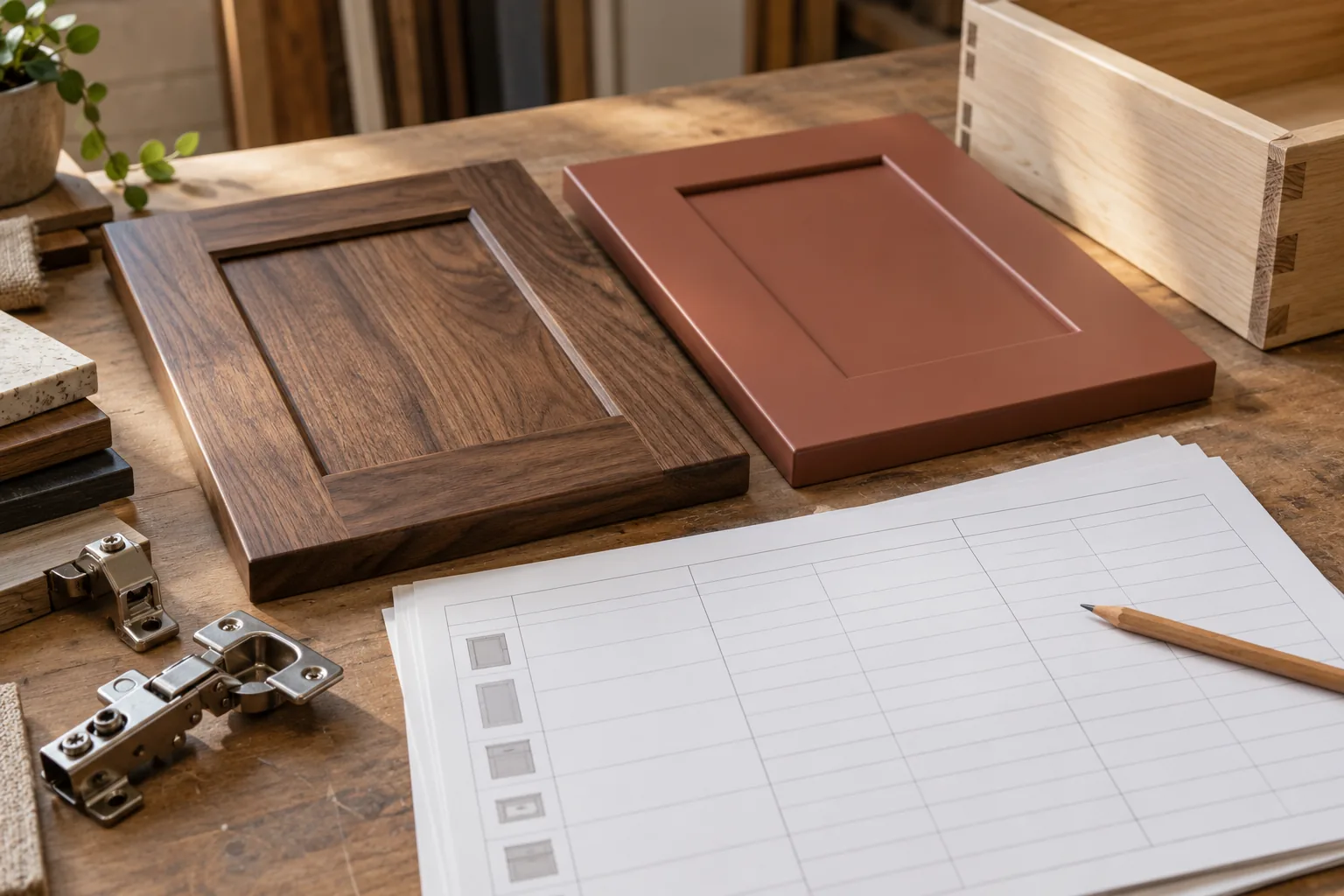
Describe the room by its storage needs and retained features
Choose the room-specific buying question. You may want to replace the current cabinet arrangement, add storage in one area or compare a different configuration. State what will remain and what you intend to purchase. Community context cannot supply that product scope for you.
Make a unit list with types, quantities, approximate sizes when known and intended storage use. Mark provisional dimensions and add panels, fillers, trim or accessories as separately visible questions. Record finish preferences without assuming an unknown seller has a matching line or the configuration shown in an inspiration image.
A hypothetical partial replacement might keep the wall units while changing the base storage to drawers. That request needs the retained unit information, desired drawer function and actual fit questions. A full replacement alternative has different quantities and may have different finish choices. Give each alternative its own identity so you can compare the choices honestly. A useful Maugansville record explains the room decision, rather than relying on the locality name to make a generic request seem complete.
Connect checked dimensions to the proposed receiving plan
Gather the room measurements and actual retained appliance information you have. The IKEA US planning guide asks buyers to bring those inputs. Record where the measurements came from and which dimensions still need verification. This guide does not offer a field measure or certify final cabinet fit.
Then ask for the packaging information associated with the proposed goods. The room measurements and the receiving route are different checks: one concerns the final arrangement, the other concerns moving and storing the order. Have the responsible people assess actual package information against the actual route rather than guessing from the finished cabinet sizes.
Ask the seller to define the handoff at the specific receiving address. Identify who can be there, who would handle any movement beyond that point and where products could be stored according to their instructions. If the destination changes, tell the seller before relying on its terms. No statement about the community establishes that a proposed carrier, product or storage arrangement will work for your particular address.
Compare price on a consistent address and product basis
Match each proposal to the same intended cabinet schedule. Check quantities, box configurations, finish, panels and accessories before comparing totals. Keep any partial replacement alternative separate from a full room purchase so a smaller subtotal is not mistaken for the same goods at a lower price.
Show freight, pickup, carrying, assembly and storage as distinct entries where relevant. Identify the address and handoff used for each receiving charge. External labor for removal, installation or associated work needs the actual provider's own scope. If two proposals use different receiving assumptions, reconcile those differences as well as the cabinet goods.
The FTC recommends written estimates with scope, materials and price when comparing home improvement work. Use that discipline for external labor and read product inclusions just as carefully. Preliminary estimates are subject to change; the final written quote should establish the offered price and included scope. If a proposal lacks a needed charge or item, ask for clarification and leave it unknown in the meantime. A community label, an incomplete unit list or an old destination cannot establish the complete cost of a new purchase.
Keep the project record aligned as decisions change
Give the room sketch and unit list dates or revision identifiers. Identify the purchaser, fit reviewer and receiving contact, along with the document each should use. If you change the layout or decide to retain another unit, update the affected quantities and finish questions instead of leaving the original request to represent a different purchase.
Check a seller's proposal against the current record. Confirm the project reference, products, receiving address and the version used for pricing. Ask the responsible parties to resolve final measurements and order approval before committing to goods. The site can collect an inquiry without establishing those later responsibilities.
For your first submission, the useful minimum is the actual project address, room, intended change, product outline and unresolved questions. Explain a separate mailing or receiving address where applicable. Keep a copy so a later conversation can refer to the same facts. The practical value of the locality guide is this clearer record: a known community context joined to specific project information that someone can evaluate without inventing the missing details.

Inquiry process
From buying questions to a possible supplier quote
Sending an inquiry does not reserve products or book work.
Describe the purchase
Include project ZIP, room, approximate cabinet list and preferred timing.
Clarify requirements
Identify assembly, access, measurements and any separately arranged labor.
Confirm referral availability
An inquiry can be referred only if a suitable seller accepts the location and product request.
Review seller terms
Confirm the final drawing, itemized price, payment, delivery and return terms directly before ordering.
Illustrative product choices
Illustrative product visualizations, not completed work, local properties or supplier facilities.
Local buying information
Other local buying guides
Questions
Maugansville Questions
Can the county plan map confirm my property jurisdiction?
The cited maps identify Maugansville in their planning context and state limits on their use. For an individual property's jurisdiction or boundary question, obtain the appropriate official or property record. Do not substitute the community label for that verification.
Should I include a Hagerstown mailing label if the project is in Maugansville?
Record correspondence details accurately, but label them as contact information when that is their role. Provide the actual project address separately. If jurisdiction matters to a decision, verify it independently rather than inferring it from either place name.
Can I receive the order at a different address?
You can describe a proposed separate destination, but the seller must confirm whether it accepts that arrangement and what terms apply. Identify who receives the goods and who handles later movement. Keep both the receiving and project addresses clearly labeled.
What if I only want to replace the base cabinets?
List the new base units and identify the retained wall units, appliances and finish requirements. Mark dimensions needing confirmation. Compare a full replacement only as a separate alternative, since it changes product quantities and may answer different storage or finish priorities.
Talk to us about your project in Maugansville
Describe the purchase and project ZIP in Hagerstown. Supplier acceptance and any referral are confirmed separately; no visit or quote is booked by this form.
Calls only, we do not receive text messages.