
Kitchen Cabinet Quote Comparison
Prepare a Hagerstown kitchen cabinet quote with a unit schedule, appliance information, cost categories and a clear record of revisions.
Bring your project details together before considering a cabinet purchase.
Send my cabinet inquiry
Or call (562) 203-3232. Calls only, we do not receive text messages.
The right cabinet inquiry depends on the decision holding up your Hagerstown purchase. You may need an itemized kitchen proposal, a clearer layout, or answers about how an order would arrive. Hagerstown Cabinet Exchange organizes six buying topics so you can start with that decision and collect the details it requires, rather than describe every concern in one undirected request.
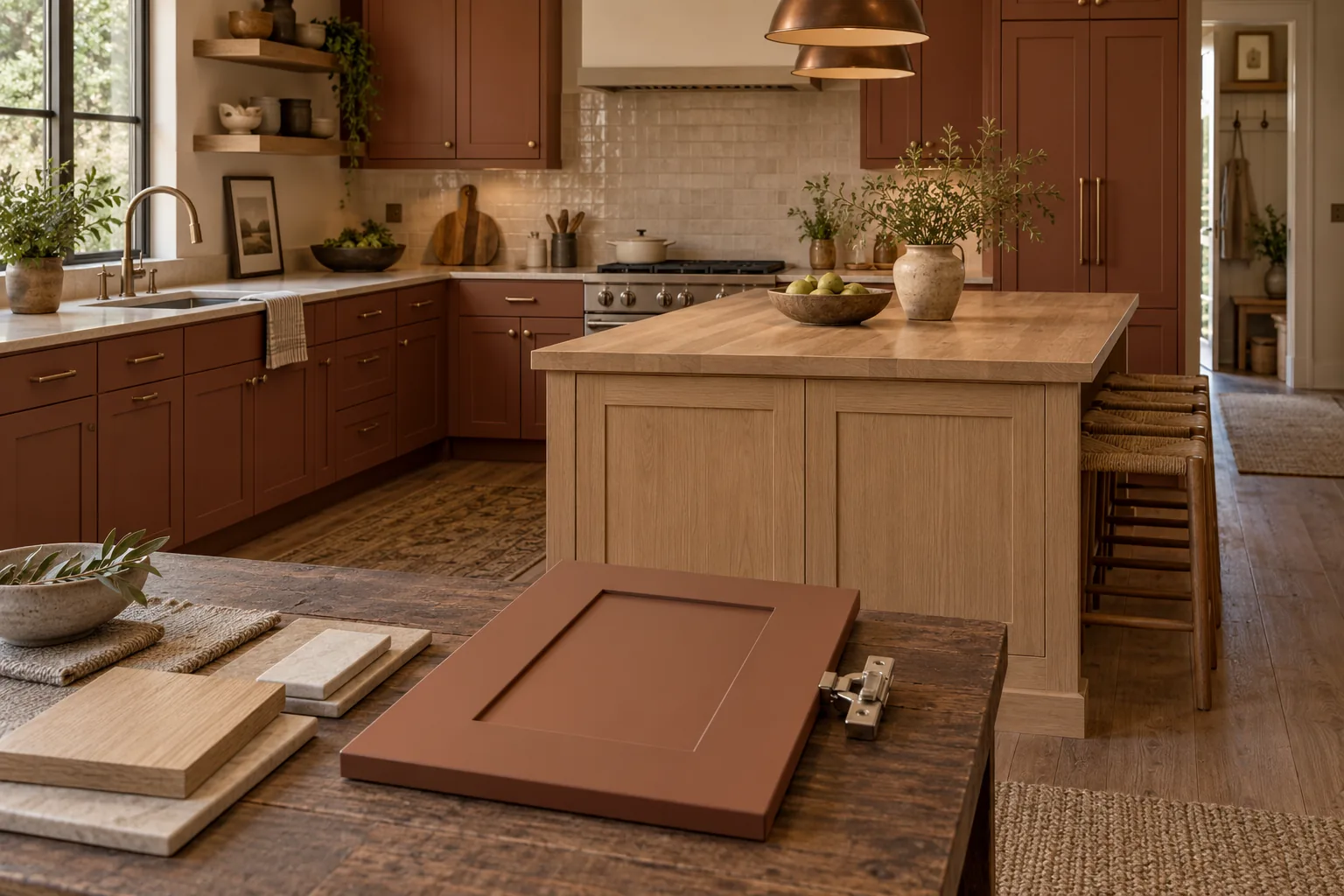
These topics provide independent purchasing information, not a roster of trades performed by this site. Submitted form details are recorded for the site owner to review, without automatic transmission to sellers or a guaranteed response or referral. Choose a starting topic below, then connect any related questions to the same project description.
About Hagerstown Cabinet Exchange
Independent cabinet buying information and quote-request service. We do not manufacture, stock or install cabinets. A referral, supplier response, appointment or purchase is not guaranteed. Product availability, delivery and installation must be confirmed directly with the seller or separately engaged contractor.
Every service
Prepare a Hagerstown kitchen cabinet quote with a unit schedule, appliance information, cost categories and a clear record of revisions.
Prepare Hagerstown cabinet layout inputs with room measurements, appliance specifications, obstruction notes and clear revision questions before ordering.
Compare RTA and assembled cabinets for a Hagerstown purchase through product details, assembly responsibility, package handling and written seller terms.
Compare a Hagerstown vanity purchase with cabinet, top and sink details, room fit questions, product inclusions and separately arranged work.
Organize a Hagerstown cabinet package inquiry by room type, material takeoff, approved revision, purchasing responsibility and receiving phase.
Prepare for a Hagerstown cabinet order with package information, receiving contacts, seller handoff terms and a clear record of discrepancies.
Choose kitchen cabinet quote comparison when the intended arrangement is sufficiently clear to describe the units you want priced. Prepare a cabinet schedule with quantities, dimensions, configuration, finish and related pieces. The useful question is whether different proposals cover the same purchase, including panels, fillers and accessories.
Choose layout preparation when the room arrangement is still the obstacle. You may know that you want more drawers but not where they will fit. Collect wall measurements, openings, appliance specifications and the locations of retained features. Record uncertainties before treating any drawing as a basis for an order.
Consider a hypothetical kitchen where a buyer wants to replace a narrow door cabinet with drawers. If the existing layout and final opening have been checked, the request can identify a proposed drawer unit for pricing. If the available space or appliance clearance is unresolved, the buyer needs layout answers first. The two topics are connected, but a price proposal cannot settle a fit question simply by assigning a product code. This site does not conduct a field measurement; assign that task separately before purchase.
The RTA and assembled cabinet guide is for a buyer deciding how product format affects the purchase. Request the exact manufacturer's assembly instructions and the seller's description of what arrives. Compare the proposed units rather than assuming every product in one format has the same construction, completeness or quality.
Ask who would assemble the units, who checks parts and how missing or damaged components are reported. A buyer arranging assembly elsewhere needs to know whether that person has reviewed the instructions for the proposed line. An assembled order still raises handling and access questions; assembled does not by itself specify where the carrier places the products.
Write the comparison as two alternatives under one project. Alternative A might be the named RTA line with assembly arranged separately. Alternative B might be a named assembled line with its stated freight terms. Keep size, storage needs and finish requirements as consistent as possible, then identify the differences. If the alternatives are different product lines, note that fact openly. Format is one purchasing variable, not permission to call two unlike products equivalent.
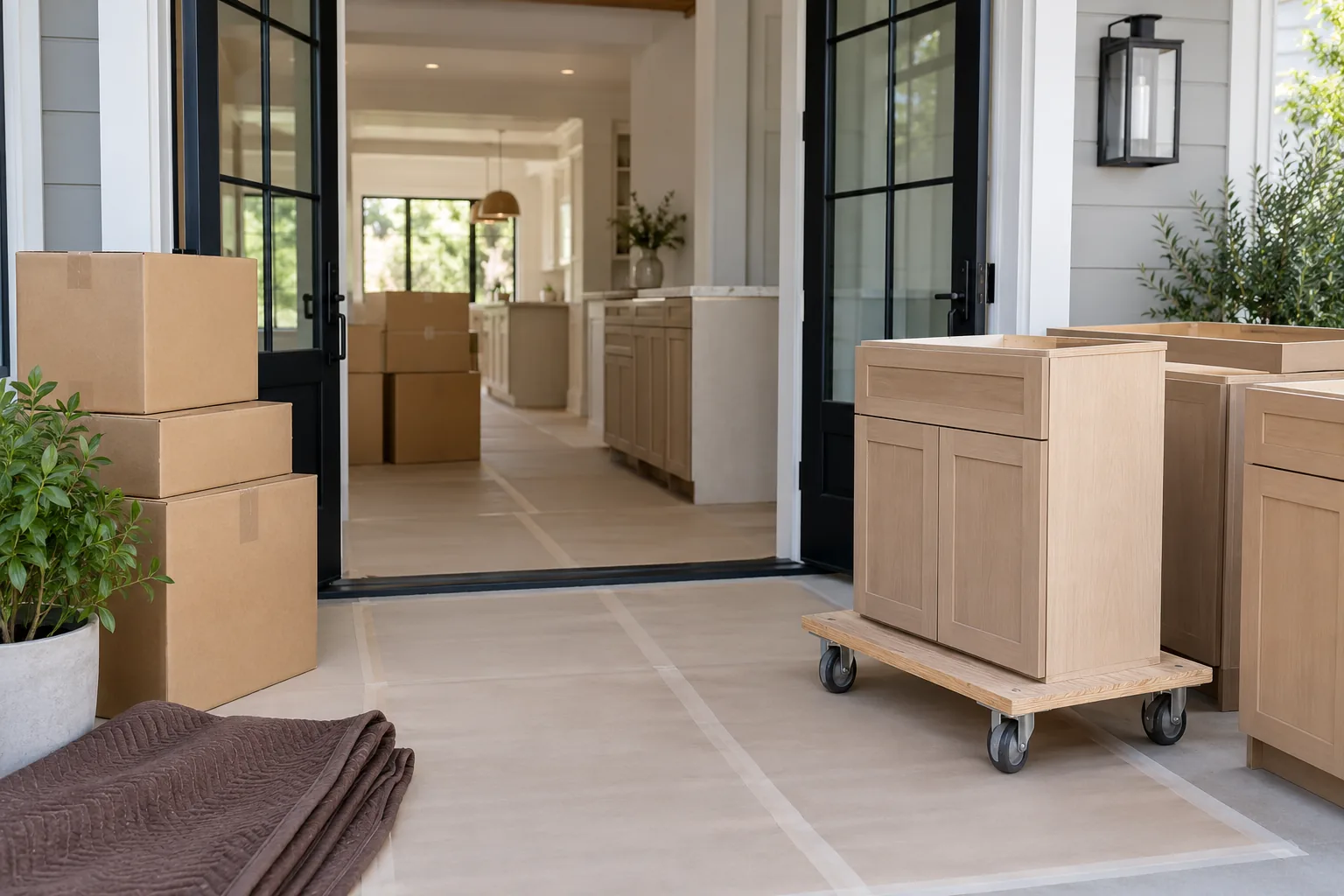
Use bathroom vanity inquiries when the buying question concerns a vanity cabinet, top, sink or related components. Specify whether you want the cabinet alone or a combination of products. Describe the intended configuration and finish, and identify anything you plan to retain. A photograph of a complete vanity should not stand in for a list of what is included.
The supplied Home Depot measurement guide identifies actual space, plumbing positions and door swing as fit considerations. Use those subjects to prepare questions about your room, without treating a general guide as a property inspection or a code determination. Ask the responsible professional to review the proposed configuration against the actual plumbing and clearance conditions.
A kitchen and a vanity can share a preference for door style, but they should have separate schedules. In a hypothetical combined purchase, the kitchen list may specify drawer storage and finished island panels, while the vanity list identifies a cabinet, top and sink as distinct items. Keeping those lists separate prevents a seller's cabinet only proposal from being mistaken for a complete bathroom assembly. Plumbing connections and installation require their own scope with the party performing them.
The contractor cabinet package topic fits buyers managing repeated room types, multiple units or purchasing phases. Its starting document is a bill of materials by unit type, with quantities and revision identifiers. Identify who purchases, who approves the product schedule and who can authorize a substitution.
For example, a hypothetical property project might have two kitchen layouts rather than one identical layout repeated throughout. Give each layout its own schedule and record how many of each are requested. A total cabinet count alone hides which units belong to which room. If the project is phased, show the requested releases separately from the total planned purchase.
Ask a potential seller to confirm whether it accepts the project and what terms apply. Trade eligibility, minimums, credit arrangements, substitutions and release timing are seller questions; a package label does not establish any of them. A later proposal should distinguish committed quantities from planning quantities. If one phase changes, revise that phase's schedule and show the effect on the total rather than silently replacing the original list.
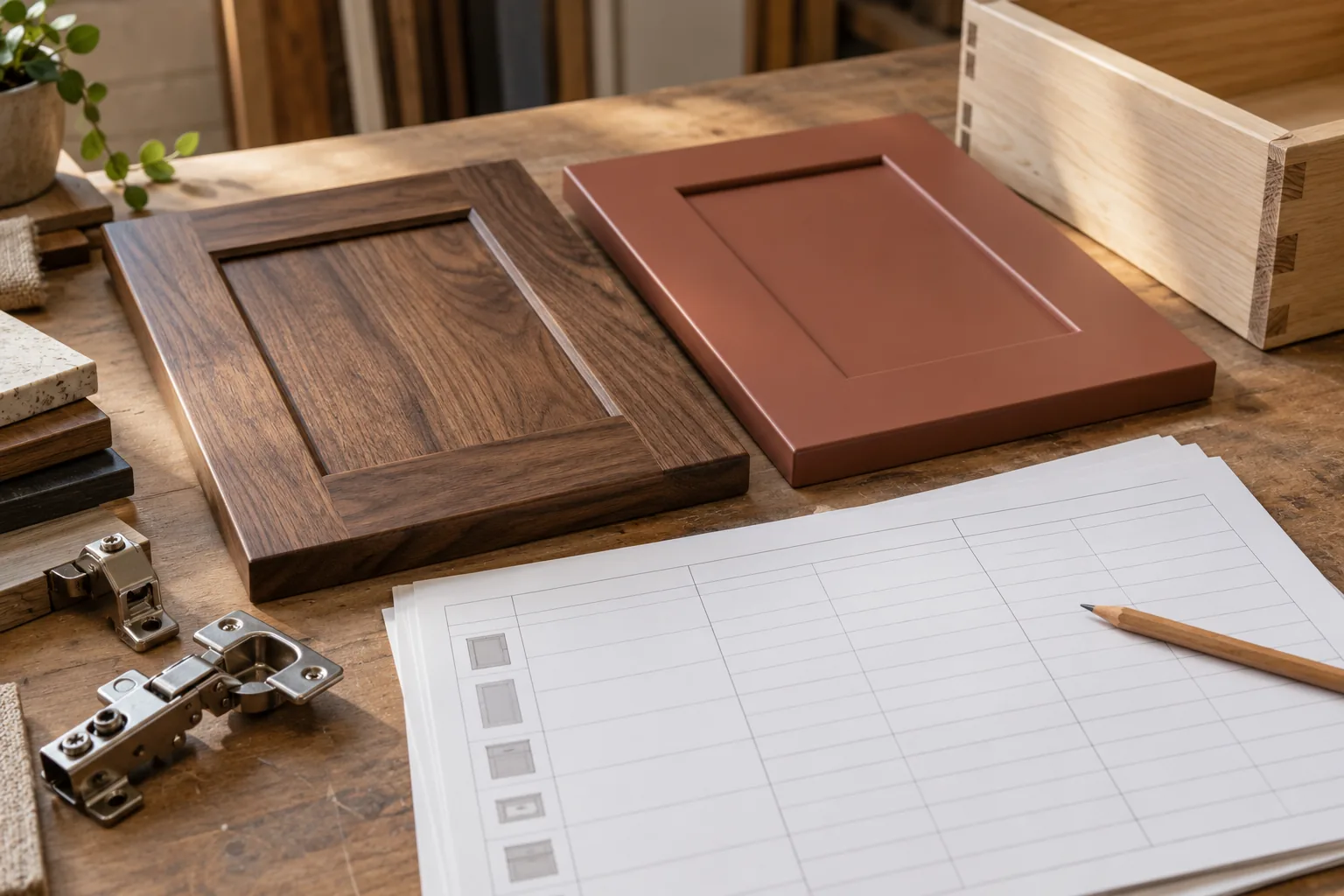
Choose cabinet delivery planning when receipt, pickup or storage is the unresolved part of the purchase. This is a guide to questions for the seller, carrier and property contact. It does not offer transport. Identify the proposed receiving address, the person who can be present and where products could be stored according to their instructions.
Ask the seller to define its offered handoff. Does the proposed charge describe curbside receipt, threshold placement or another specifically stated arrangement? Who handles carrying beyond that point? Obtain package information for the actual product so the responsible people can assess the route and storage space instead of guessing from the room's final cabinet dimensions.
Receiving needs can change your format decision. A hypothetical buyer may be able to store cartons while a room is prepared, yet have no suitable place for assembled units. That question belongs alongside the RTA comparison because it affects what can be managed at the property. Ask about inspection procedures, discrepancy reporting and seller specific deadlines before ordering. Do not wait for arrival to discover who was supposed to check the shipment.
Use one project identifier and separate schedules when related inquiries overlap. The cabinet quantities, box configurations, door finish and chosen accessories belong to the product comparison. Freight, pickup, carrying, assembly and storage need their own entries when relevant. External labor, including removal or installation, should be identified under its separate provider agreement.
A change in one topic can alter another. Choosing a taller pantry unit may affect the product list and the handling plan. Adding a second vanity changes quantities and may introduce a separate top or sink. Record the change once in the project documents, then ask for affected proposals to be revised. Avoid maintaining two conflicting lists merely because you opened two guides.
Compare complete written scope, not the labels attached to the inquiry categories. The FTC recommends written estimates that identify materials, scope and price when evaluating home improvement work. That habit also helps you ask precise product questions. Any preliminary estimate remains subject to change, and the final written quote should state the actual price and inclusions. Where a proposal omits a cost, ask for clarification instead of counting the omission as a saving.
Inquiry process
Sending an inquiry does not reserve products or book work.
Include project ZIP, room, approximate cabinet list and preferred timing.
Identify assembly, access, measurements and any separately arranged labor.
An inquiry can be referred only if a suitable seller accepts the location and product request.
Confirm the final drawing, itemized price, payment, delivery and return terms directly before ordering.
Questions
Start with layout preparation. Describe the intended change and gather room and appliance information. Once the arrangement can be described as a unit schedule, the kitchen quote guide helps you compare proposals against that schedule. A preliminary drawing still needs its assigned final verification.
Yes, you can describe both rooms in one project message. Give each its own product list and identify whether the vanity request includes a top or sink. Matching finishes can be a shared preference, while dimensions and included components remain room specific.
No. It describes how to organize a product purchasing request for repeated units or phases. Installation, assembly and other work require explicit arrangements with the parties performing them. Ask for each responsibility to appear in the relevant agreement.
Use one proposed product schedule and describe both questions. Ask for the assembly instructions, package information and offered receiving terms for each alternative. That lets you compare whether the format is manageable at the property without creating contradictory cabinet lists.
Local buying information
Describe the purchase and project ZIP in Hagerstown. Supplier acceptance and any referral are confirmed separately; no visit or quote is booked by this form.
Calls only, we do not receive text messages.