
Kitchen Cabinet Quote Comparison in Hagerstown
Prepare a cabinet list and compare what each kitchen quote includes.
Send my cabinet inquiry
Or call (562) 203-3232. Calls only, we do not receive text messages.
A useful kitchen cabinet quote for Hagerstown starts with a list that every proposal can price against. Hagerstown Cabinet Exchange helps you prepare that list as an independent buying information and inquiry site. Specify the units, finish and related pieces, then identify the measurements and decisions that still need confirmation before any order is approved.
- Independent buying guidance
- Product inquiries
- Seller availability confirmed separately
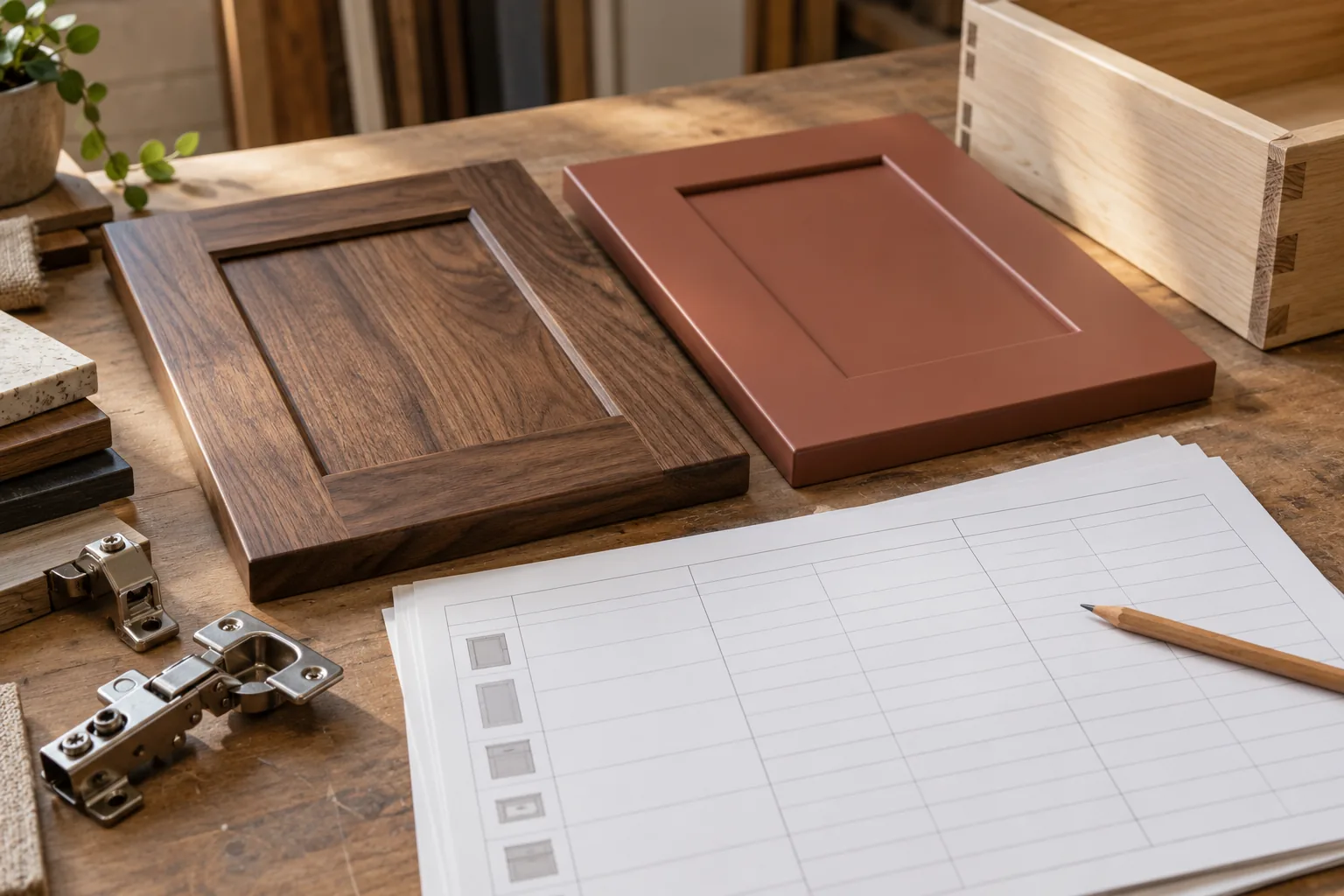
Buying questions: kitchen cabinet quote comparison
The aim is a comparison you can explain item by item, including the differences between alternatives. Form submissions are recorded for the site owner to review; they are not automatically sent to sellers and do not guarantee a response or referral. Use the schedule below to organize your own request and examine any proposals you obtain.
About Hagerstown Cabinet Exchange
Know who handles each part
Independent cabinet buying information and quote-request service. We do not manufacture, stock or install cabinets. A referral, supplier response, appointment or purchase is not guaranteed. Product availability, delivery and installation must be confirmed directly with the seller or separately engaged contractor.
Build the schedule around identified cabinet units
Give each unit a unique label that also appears on the room sketch. Use labels such as B1 for a base unit, W1 for a wall unit and T1 for a tall unit if that helps you read the list. These are your project references, not a substitute for the seller's product codes. Once a line is proposed, add the exact code beside each reference.
For each row, record quantity, cabinet type, dimensions, door or drawer arrangement, finish and intended location. Identify which dimensions are verified and which remain tentative. If you want an internal accessory, describe it separately so a proposal can show whether it is included or offered as an alternate.
A hypothetical starting list could include one sink base, two drawer bases, a tall pantry and several wall units. That is enough to describe categories, but not enough to approve an order. The actual sizes, clearances, sink compatibility and exposed ends still matter. Do not let a familiar product abbreviation hide those unresolved details. A schedule is useful because it makes the unknowns visible beside the exact units they affect.
Add panels, fillers and trim before comparing totals
List the pieces outside the primary boxes. An exposed side may need a specified finish treatment; an island may need a finished back; a run may require fillers or trim according to the selected layout and line. Describe the intended purpose and ask the seller to identify the proposed part rather than assuming the piece comes with the cabinet.
For the hypothetical list above, imagine the pantry is at an exposed end of the run. Add a row asking how that visible side is finished. If a drawer unit is near a wall, raise the opening clearance question and record any proposed filler after the responsible party reviews it. Do not invent a filler width to make a rough sketch look complete.
Then check quantities across the drawing and list. Two similar units may have different orientation or accessory requirements. Note those differences explicitly so a seller does not have to infer them from a photograph. Record handles or pulls as included, separately selected or unresolved. Keep countertops and other room components outside the cabinet subtotal unless the actual proposal names them. This prevents a finished-room illustration from being mistaken for a complete bill of materials.
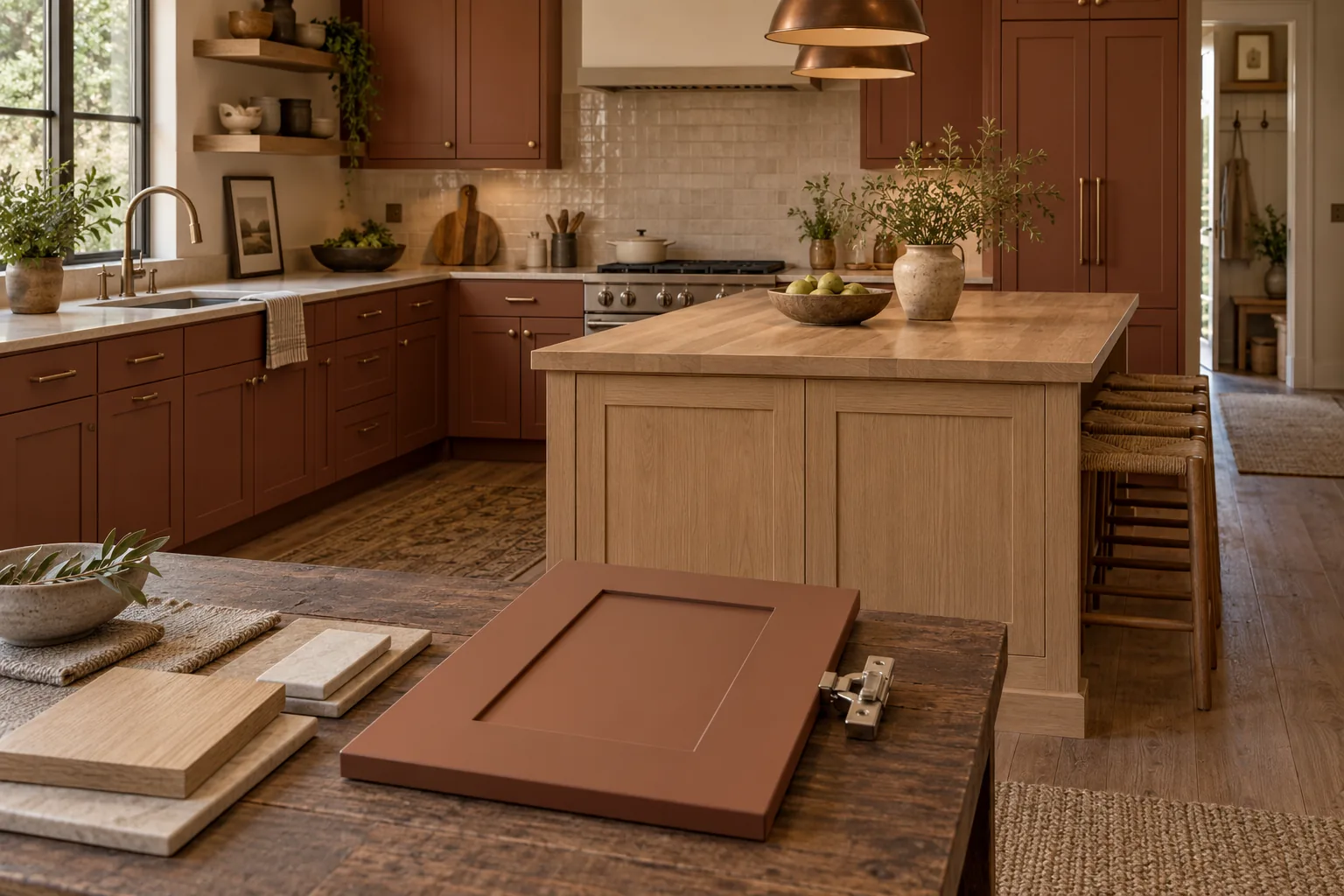
Connect appliance information to the affected schedule rows
Provide the actual model information and specifications for appliances you will retain or purchase. The supplied IKEA US planning guide asks buyers to bring room measurements and retained appliance dimensions. Use that preparation step to connect each appliance to the proposed cabinet arrangement rather than relying on a generic label such as standard refrigerator.
Record the sink and any proposed sink base together, with compatibility still subject to the responsible party's review. Identify appliances near door or drawer openings. If an appliance selection changes, flag the cabinet rows that need rechecking. A model change may alter a relevant condition even when the overall kitchen sketch looks similar.
Keep source and status beside each dimension. A manufacturer's specification, a buyer's measurement and an older drawing are different inputs. This site does not measure the room or approve final fit. Establish who will verify the property, review the appliance requirements and approve the final order dimensions under the actual purchasing arrangements. Ask for unresolved checks to be named before signing, particularly when one party assumes another has already verified the opening.
Read product descriptions instead of ranking by shorthand
Ask each seller to name the exact product line, door style, finish and construction options it is proposing. Terms such as premium or plywood do not by themselves describe every relevant component or option. Request the available product information for the proposed line and compare the details that matter to your priorities.
If performance certification matters to your decision, ask for evidence for that exact line. KCMA identifies ANSI/KCMA A161.1 as a kitchen and vanity cabinet performance and construction standard. Its existence is not evidence that an unnamed product, this website or a proposed seller is certified. Check the actual documentation rather than treating a general reference to a standard as proof.
Keep alternatives attached to the same schedule. A different finish, drawer configuration or assembly format should be identified as a change, with any affected components shown. Ask whether the alternate retains the storage function you wanted. A cheaper proposal that removes the pantry accessory may still be an option, but it answers a different specification. Record that tradeoff clearly instead of declaring the products equivalent because the cabinet count matches.

Compare price with the same inclusions and exclusions
Use the unit schedule to compare quantities and box configurations first, then finish, panels, trim and accessories. Ask for line items or another clear breakdown that allows you to trace the total to the proposed goods. Check whether each alternate is included in the total or quoted separately.
Create separate entries for freight, pickup, carrying, assembly and storage where applicable. External labor for removal, installation or related trades belongs under the separate agreement with the provider performing it. If a seller offers any additional service, have the actual scope stated; a product quote should not silently become your entire renovation budget.
For example, one hypothetical proposal might include the finished pantry side while another lists it as an extra. Reconcile that difference before comparing subtotals. The same applies if one charge includes a particular receiving handoff and another describes a different one. The FTC recommends written estimates that identify scope, materials and price for home improvement work, a useful discipline for external labor comparisons. Preliminary estimates are subject to change, and the final written quote should establish the offered price and included scope. An omitted amount is an open question, not a zero cost.
Control revisions before you approve the purchase
Date your schedule and assign a revision identifier. Ask each proposal to name the version it used. If you move the sink or change the pantry configuration, list the affected rows and issue a new version. Preserve the previous one so you can see whether a later price change follows a real scope change.
Check a revised proposal in two directions: from drawing to schedule, and from schedule to priced items. Each intended unit should appear in the proposal, and each priced unit should have an explained purpose. Review substitutions separately, including dimensions, configuration, finish and accessories. Do not approve a substitution merely because the seller says it is similar.
Before accepting an order, confirm the purchaser, final measurement approver, accepted schedule, receiving address and seller specific terms. Ask what happens if a required part is unavailable or a change is requested after approval. Keep the final drawing, schedule and written quote together. These documents should describe the same purchase; if they conflict, resolve the conflict before treating any one of them as authoritative. Your inquiry can begin the information record, but only the actual purchase agreement establishes the seller's commitments.
Inquiry process
From buying questions to a possible supplier quote
Sending an inquiry does not reserve products or book work.
Describe the purchase
Include project ZIP, room, approximate cabinet list and preferred timing.
Clarify requirements
Identify assembly, access, measurements and any separately arranged labor.
Confirm referral availability
An inquiry can be referred only if a suitable seller accepts the location and product request.
Review seller terms
Confirm the final drawing, itemized price, payment, delivery and return terms directly before ordering.
Illustrative product choices
Illustrative product visualizations, not completed work, local properties or supplier facilities.
Local buying information
Local inquiry guides
Questions
Kitchen Cabinet Quote Comparison: Common Questions
What details belong in every cabinet schedule row?
Include a unique reference, quantity, type, dimensions, configuration, finish and location. Add the seller product code when available. Mark uncertain dimensions and list accessories separately. The row should make clear what is being requested and what remains subject to verification.
What if I have not selected the appliances yet?
Identify the choices as unresolved and flag the units whose fit depends on them. You may obtain a preliminary proposal with explicit assumptions, but those assumptions need review after the actual models are selected and before the order dimensions are approved.
How do I compare a lower quote that omits some parts?
Ask for the missing panels, fillers, trim or accessories to be identified and priced, or treat that proposal as a clearly different alternate. Reconcile the goods and receiving scope before comparing totals. An unexplained omission cannot be assumed included.
Who approves the final order measurements?
Agree on that responsibility with the seller and any separately engaged professional before purchase. Identify who checks the room, reviews product fit and signs off on the schedule. This website does not perform field measurements or certify that a proposed order fits.
Talk to us about kitchen cabinet quote comparison
Describe the purchase and project ZIP in Hagerstown. Supplier acceptance and any referral are confirmed separately; no visit or quote is booked by this form.
Calls only, we do not receive text messages.